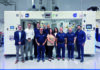






During the first year of collaboration between these two Venetian companies, over 90% of plastic packaging was recovered and transformed into new raw material, thereby reducing environmental impact and contributing to the creation of a circular production model. One year into their partnership, Cantina Pizzolato, a Treviso-based winery renowned for its commitment to sustainability, and Aliplast, a Hera Group company based in Istrana (Treviso) specializing in the collection, recycling, and regeneration of plastics, are presenting the results of their collaboration. The initiative aims to capture and repurpose plastic films used during packaging and logistics, fostering a circular approach to packaging management.
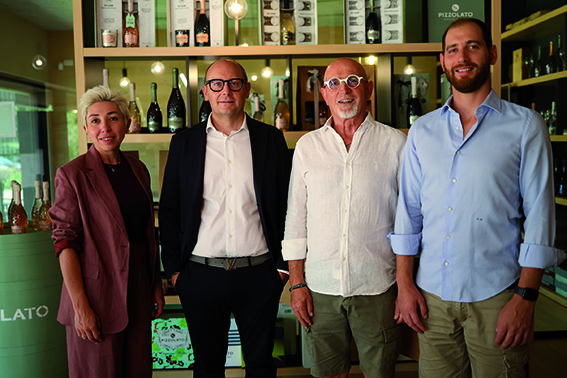
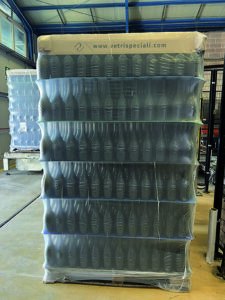
Plastic waste from the winery is collected and transformed by Aliplast into new raw material, facilitating its recovery and reintroduction into new production cycles. The project has already yielded tangible results: Cantina Pizzolato supplied Aliplast with 19,810 kg of plastic film and additional 1,801 kg managed via local services. In total, 91.7% of the plastic waste generated was sent for recycling, reducing environmental impact and contributing to the development of a circular production model. This approach reflects a broader evolution within the sector, where packaging choices play a strategic role in minimizing environmental impact and building increasingly integrated, circular supply chains.
From waste management to material recovery
The collaboration addresses a critical aspect of the wine industry: plastic films, such as pallet covers and stretch wrap, are essential for ensuring product stability and protection during transport, yet they require efficient recovery processes once their useful life has ended. In this context, integration with the industrial recycling supply chain not only reduces environmental impact but also actively contributes to building circular production models.
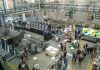
The collected materials are sent to Aliplast facility in Istrana, where they undergo sorting, washing, and granulation. The resulting granules are then used to produce new plastic film, composed of 30% recycled plastic and 70% virgin raw material. This solution ensures high technical performance, specifically regarding strength and elasticity, while simultaneously reducing resource consumption.
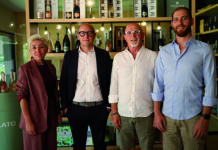
“The collaboration with Cantina Pizzolato demonstrates how plastic waste management can be transformed into an efficient, traceable industrial process that generates both environmental and production value”, comments Michele Petrone, CEO of Aliplast (Hera Group). “Integrating recycling directly into our partners’ production chains means making a tangible contribution to the spread of circular economy models, anticipating regulatory changes, and strengthening competitiveness of companies”.
“The project with Aliplast combines environmental sustainability with efficient resource management by reducing waste, encouraging material recovery, and strengthening ties to the local area through collaboration between two companies located just a few kilometers apart”, explains Sabrina Rodelli, partner and responsible for sustainability at Cantina Pizzolato. “In other recycling projects, the lack of active facilities in Italy still forces us to transport materials across borders. That is why we consider particularly significant the development of a local, circular supply chain. We hope this experience will become a replicable model and a source of inspiration for other companies, helping to foster a culture of sustainability and shared responsibility that generates positive, lasting impacts”.
An industrial model aligned with regulatory challenges
The project aligns with a European landscape increasingly focused on packaging sustainability, particularly in light of EU PPWR, which introduces stringent requirements regarding recyclability and recycled content.
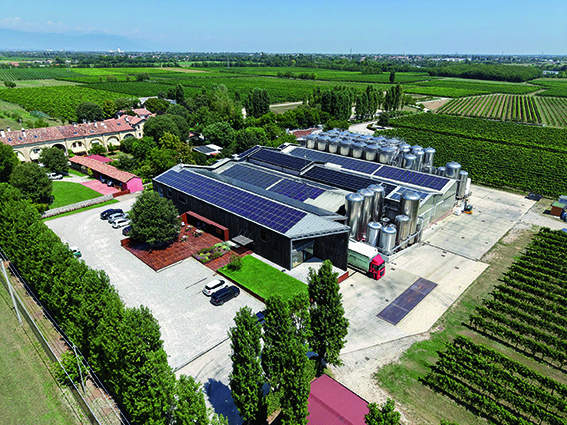
As the recycled plastics market undergoes profound transformation, characterized by significant disparities in quality and value among available materials, the importance of certified, traceable industrial supply chains that meet European standards is becoming increasingly evident. In this situation, Cantina Pizzolato has chosen to invest in a long-term project utilizing high-quality recycled plastic packaging produced within a secure, certified European supply chain, such as that of Aliplast. This secondary raw material represents a strategic asset for the industry, especially in a climate marked by geopolitical instability, supply chain tensions, and volatile raw material costs. High-quality recycling reduces reliance on virgin resources and fossil-based sources while ensuring production continuity, greater industrial resilience, and competitiveness. Relying on advanced recycling supply chains means transforming sustainability from a mere regulatory obligation into a tangible driver of value creation.
For Cantina Pizzolato, the collaboration with Aliplast is part of a long-standing sustainability journey that encompasses organic viticulture practices, certifications such as Equalitas, efficient resource management, and the valorisation of production waste. Extending this approach to packaging and logistics now makes it possible to close the materials loop, reducing the need for waste disposal and strengthening the overall coherence of the production model.